
01
Basic commands
Developing a reliable response to useful cues such as sit, stay, wait and come.
Practical training support for dogs who need better everyday manners, clearer communication and a consistent routine. Each programme is planned around your pet’s age, behaviour and individual learning needs.
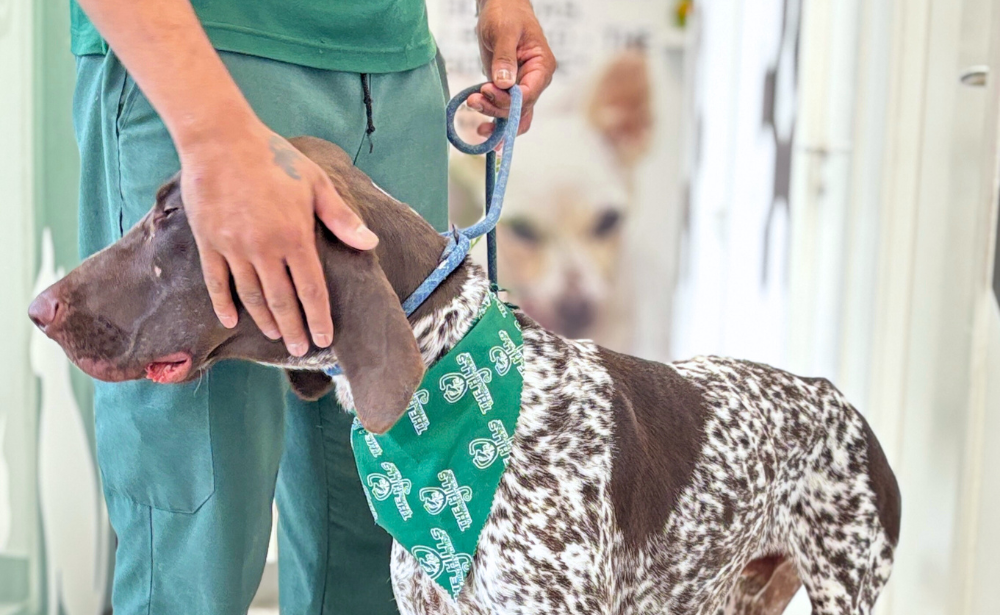
Pet training is not only about teaching commands. It helps pets understand what is expected while giving owners practical tools for clearer, more consistent communication.
Training can support everyday manners, lead walking, attention, recall and appropriate behaviour around people, other pets and the home environment.
Every pet learns differently. Age, previous experience, health, motivation and routine can all affect progress. We begin by understanding your pet before recommending a suitable training plan.
Training priorities are selected according to your pet’s behaviour, home routine and individual needs.
Developing a reliable response to useful cues such as sit, stay, wait and come.
Encouraging calmer walks, better attention and more manageable behaviour outdoors.
Supporting a consistent toilet schedule through practical routines and appropriate reinforcement.
Improving behaviour around doors, visitors, meals and shared family spaces.
Building attention and a more reliable response when called in suitable environments.
Introducing age-appropriate routines, handling, basic cues and positive early learning.
We begin by learning about your pet and the behaviours you would like to improve.
Share your pet’s age, history, routine and the main behaviours you would like help with.
Your pet’s responses, motivation, environment and current habits are reviewed.
Practical exercises and clear priorities are selected according to your pet’s needs.
Owners receive guidance to continue training consistently between sessions.
Realistic goals, regular practice and an individual approach help build lasting habits.
Desired behaviour is encouraged using suitable rewards, praise and clear communication.
Exercises are adjusted to your pet’s age, confidence and learning speed.
Training focuses on useful skills for normal everyday life.
Owners receive instructions so everyone uses the same cues and expectations.
Progress depends on behaviour history, practice and the complexity of the concern.
Comfort and emotional wellbeing are considered during the learning process.
Understanding timing and routine helps owners support better behaviour.
Short, regular sessions help strengthen and maintain newly learned skills.
If your pet develops a sudden or unusual behaviour change, our team may recommend a veterinary consultation before training begins.
Tell us about your pet and the behaviours you would like to improve. Our team will help arrange a suitable training assessment.